
Joinery and Design: Lessons from 17th Century China
Well-crafted furniture lasts hundreds of years
10/31/20251 min read
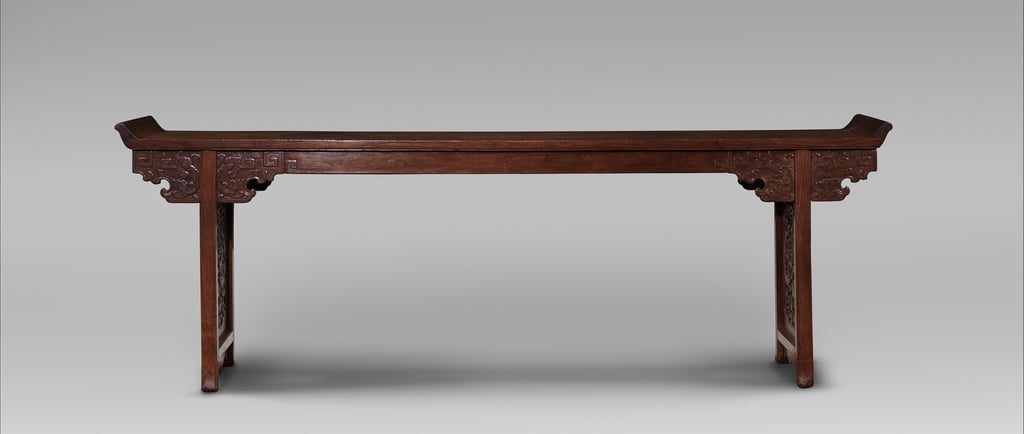
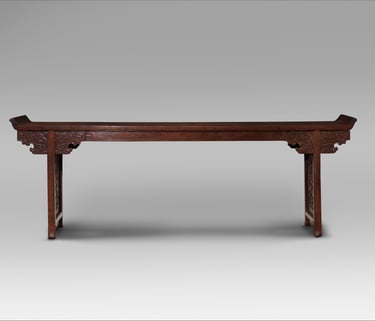
The photo shows a custom side table from the 17th century. That is over 400 years old! This piece was made in China without glue, nails, screws, or other modern fasteners. They literally cut down a tree, shaped the pieces, and joined them together with joinery techniques. This piece of custom furniture is over 9 feet long and over 3 feet high. Currently it is stored at the Met Museum in NYC.
Wood movement was carefully considered in the design process. "Wood movement" is when wood expands and contracts throughout the seasons. The horizontal strip under the bench is called an apron or stretcher. This adds support to the legs and keeps the benchtop from sagging over time. The legs, apron, and top would have been connected using mortise and tenon joinery. Heirloom quality furniture and handcrafted are terms thrown around too easily – this is what it looks like in action.
This bench design is simple, but decorative. Every detail was considered. The thickness of each piece is specific so the final product is visually balanced. Also, the decorative elements serve as subtle accents. They enhance the form without overwhelming it.
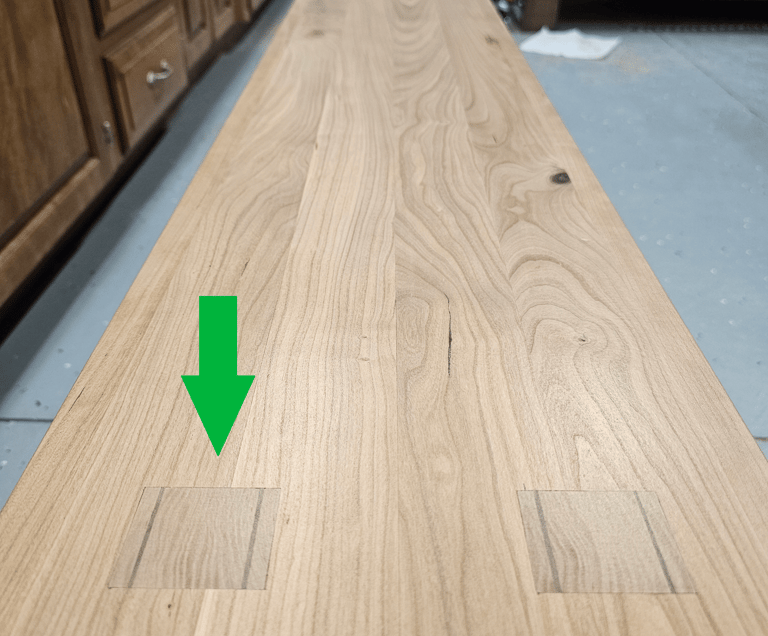
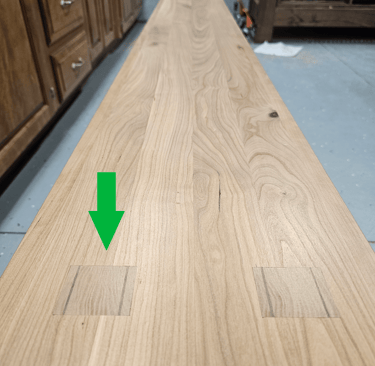
Those same joinery and design techniques are used today when you commission custom furniture with a reputable company. See the photo below of a solid cherry bench made by NorthStone Woodcraft. This bench utilized “through-wedged mortise and tenon” joinery so it will last longer than a lifetime.
Contact
Text or call with questions or for quotes
Max @ 330-329-5721
© 2025. All rights reserved.